Forestry Mulching in the Texas Hill Country
Welcome to HBA Construction's professional mulching services in Canyon Lake, Texas. With years of experience in land improvement and property enhancement, we understand that a well-maintained landscape is crucial to your property's value and appeal. Our expert mulching services are designed to give your landscape the care and attention it deserves.
What It Is, How It Works, and When It's the Right Choice
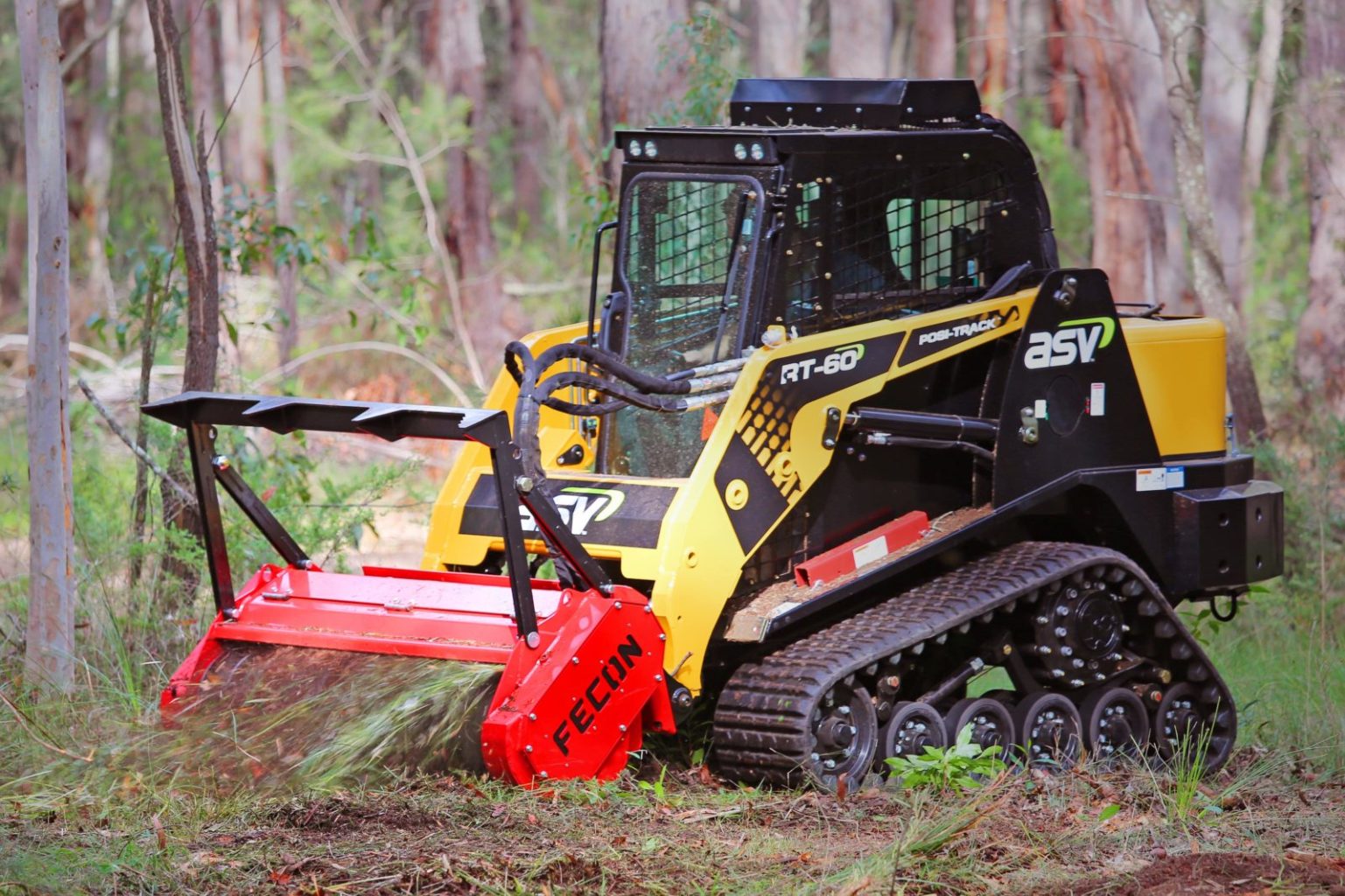
Forestry mulching is a land clearing method that uses a single piece of specialized equipment — a forestry mulcher — to grind trees, brush, cedar, and undergrowth directly into a layer of wood chip mulch that stays on the ground. No burning. No hauling. No separate stump grinding. The machine does it all in one pass.
It's one of the most efficient and land-friendly clearing methods available, and it has become increasingly popular across Comal, Hays, Kendall, and Bandera counties for good reason — it works exceptionally well in Texas Hill Country terrain.
How a Forestry Mulcher Works
A forestry mulcher is a powerful piece of equipment — typically a tracked machine or skid steer attachment — fitted with a rotating drum covered in steel cutting teeth. As it moves through vegetation, the drum spins at high speed and shreds everything in its path: cedar trees, live oak saplings, brush, stumps, and root crowns, all ground down to fine wood chip material in a single pass.
The resulting mulch layer — typically two to four inches deep — stays on the ground where it:
- Protects the soil surface from erosion
- Retains moisture in the ground beneath it
- Suppresses regrowth of invasive species like cedar
- Decomposes over time and returns organic nutrients to the soil
- Gives the cleared land a clean, finished appearance immediately after the work is done
Unlike bulldozing or mechanical clearing, a forestry mulcher leaves the topsoil largely undisturbed. The root systems remain in the ground and continue to hold the soil in place, which is a critical advantage on sloped Hill Country properties where erosion after clearing is a real concern.
Why Forestry Mulching Makes Sense in the Texas Hill Country
The Hill Country presents specific land management challenges that make forestry mulching a particularly good fit:
Cedar is the defining problem. Ashe juniper — what locals call cedar — is the dominant invasive species across the Edwards Plateau. It spreads aggressively, outcompetes native grasses and wildflowers, and consumes staggering amounts of groundwater. A single mature cedar can drink 30 or more gallons per day. Dense cedar mottes block views, reduce property usability, and create heavy wildfire fuel loads.
Forestry mulching is one of the most effective tools for cedar management because it doesn't just cut the tree — it grinds the stump and root crown, significantly reducing the cedar's ability to resprout from the base. Cedars that are simply cut or pushed over will regrow from the stump within a season. Mulching dramatically slows that process.
Shallow rock makes debris removal difficult. Hill Country properties sit on caliche hardpan and limestone shelf close to the surface. Burning piles of cleared material on rocky ground is inefficient and often restricted by seasonal burn bans. Hauling debris requires access roads and multiple dump truck loads. Forestry mulching eliminates both problems — everything stays on the property in a usable form.
Slopes require erosion-conscious clearing. Much of the Hill Country is not flat. Clearing a sloped property with heavy dozer work and then leaving bare soil exposed is a recipe for significant erosion after the first hard rain. The mulch layer left behind by a forestry mulcher provides immediate ground cover that holds the soil in place while new vegetation establishes.
Selective clearing is often the goal. Many Hill Country property owners don't want to clear everything — they want to remove cedar while preserving mature live oaks, Spanish oaks, and other native trees that define the character of their land. A skilled forestry mulcher operator can work selectively, clearing invasive species while threading around trees worth keeping. This precision is difficult to achieve with a bulldozer or excavator.
Benefits of Mulching vs. Land Clearing
Temperature control is a crucial aspect of mulching in Texas's hot climate. Mulch helps maintain consistent soil temperatures, protecting your plants from extreme heat and cold. This temperature regulation is essential for maintaining healthy root systems and promoting plant growth.
Moisture retention is another key benefit of our professional mulching services. Mulch can reduce water evaporation by up to 70%, helping you conserve water while keeping your plants healthy. This is particularly important in the Hill Country of Texas.
Weed prevention is a significant advantage of our mulching services. A proper layer of mulch helps suppress weed growth, reducing the need for chemical herbicides and saving you time and money on landscape maintenance.
Erosion control is another benefit of our professional mulching services. Mulch helps prevent soil erosion, particularly important in areas with slopes or heavy rainfall. This protection maintains your landscape's integrity and prevents costly damage.
Environmental responsibility is important to us. Our mulching practices promote sustainable landscaping by improving soil health, reducing water usage, and minimizing the need for chemical treatments.
What Forestry Mulching Is Good For
Forestry mulching is the right tool in a wide range of situations:
- Cedar removal and brush management on ranch land, acreage properties, and residential lots
- Lot clearing for new home construction where you want to preserve topsoil and minimize erosion
- Firebreak creation along property lines or around structures
- Trail and road clearing through wooded or overgrown areas
- Right-of-way clearing for fences, utilities, or drainage improvements
- View enhancement on ridge or hilltop properties
- Property preparation for sale — mulching transforms an overgrown, inaccessible property into a clean, show-ready piece of land
What Forestry Mulching Is Not Good For
Forestry mulching is not always the right answer, and it's worth being clear about when it isn't:
If you need a completely clean, graded surface — for a foundation, concrete flatwork, a pond, or heavy grading work — forestry mulching is not the right starting point. The mulch layer and intact root systems left in the ground are incompatible with those applications. Full mechanical clearing and grubbing is the better approach in those cases.
Very large trees — mature live oaks with trunks over 12 to 18 inches — are generally beyond what a forestry mulcher handles efficiently. Large trees are better removed with an excavator or chainsaw first, then the remaining brush and smaller material can be mulched.
Rocky terrain with exposed limestone can limit where equipment can safely operate. A site visit helps identify any access or terrain constraints before work begins.
Forestry Mulching FAQs
Q. Will cedar grow back after mulching?
A. Some regrowth is possible, but mulching significantly slows it compared to cutting or pushing. Cedar that is cut above the root crown will resprout vigorously from the stump within one growing season. When the stump and root crown are ground by a mulcher, that regrowth capacity is greatly reduced. Followup spot treatment or periodic maintenance mulching keeps cedar from reestablishing.
Q. How many acres can be mulched in a day?
A. It depends on the density and size of the vegetation. Light to moderate brush on open terrain — one to three acres per day is typical. Dense cedar mottes or heavier material will be slower. We'll give you an honest estimate after seeing your property.
Q. Does mulching work on hills and slopes?
A. Yes — tracked forestry mulchers are designed to work on slopes and are often safer and more practical on steep terrain than wheeled equipment. Slope work is assessed on a case-by-case basis depending on grade and soil conditions.
Q. Do I need a permit to mulch my land in Comal or Hays County?
A. In most unincorporated areas of Comal and Hays County, no permit is required for land clearing or mulching. Properties within city limits or ETJ areas — including parts of New Braunfels and San Marcos — may have tree ordinances. Always verify with your county or city before work begins if you're unsure.
Q. How much does forestry mulching cost in Texas?
A. Pricing is typically based on acreage and vegetation density. Lightly brushed land costs less per acre than dense cedar thicket. The best way to get an accurate number is a site walk — we don't price mulching jobs from photos or satellite images because Hill Country terrain varies too much. Call (830) 507-5956 for a free property evaluation.
Q. What happens to the mulch layer afterward?
A. It stays on the ground and begins decomposing naturally. Most property owners find the mulch layer disappears into the soil within one to two growing seasons, depending on rainfall and ground conditions. In the meantime it looks clean, controls erosion, and suppresses weed regrowth.
Q. Can you mulch around trees I want to keep?
A. Yes — this is one of the strengths of forestry mulching versus bulldozing. An experienced operator can work selectively, clearing cedar and brush while leaving mature oaks and other desirable trees untouched. We walk the property with you beforehand to flag anything you want preserved.
What to Expect When You Work With HBA Construction
Every mulching project starts with a site walk. We want to see the terrain, understand what you're trying to accomplish, identify trees worth keeping, and flag any access or equipment constraints before a trailer gets loaded.
From there we give you a straight price, a realistic timeline, and a clear plan. We don't subcontract our mulching work — our own crew and equipment show up on day one and stay until the job is done.
We serve Canyon Lake, Bulverde, Spring Branch, New Braunfels, Wimberley, Seguin, San Marcos, and the surrounding Texas Hill Country.
Call (830) 507-5956 for your free property evaluation.
Call us for your FREE
Property or Project Evaluation
(830) 507-5956
- (830) 507-5956
- Mulching

Call today
(830) 507-5956
Email us:
dana@askhba.com
mailing address:
1015 twisted oak court
canyon lake, texas 78133